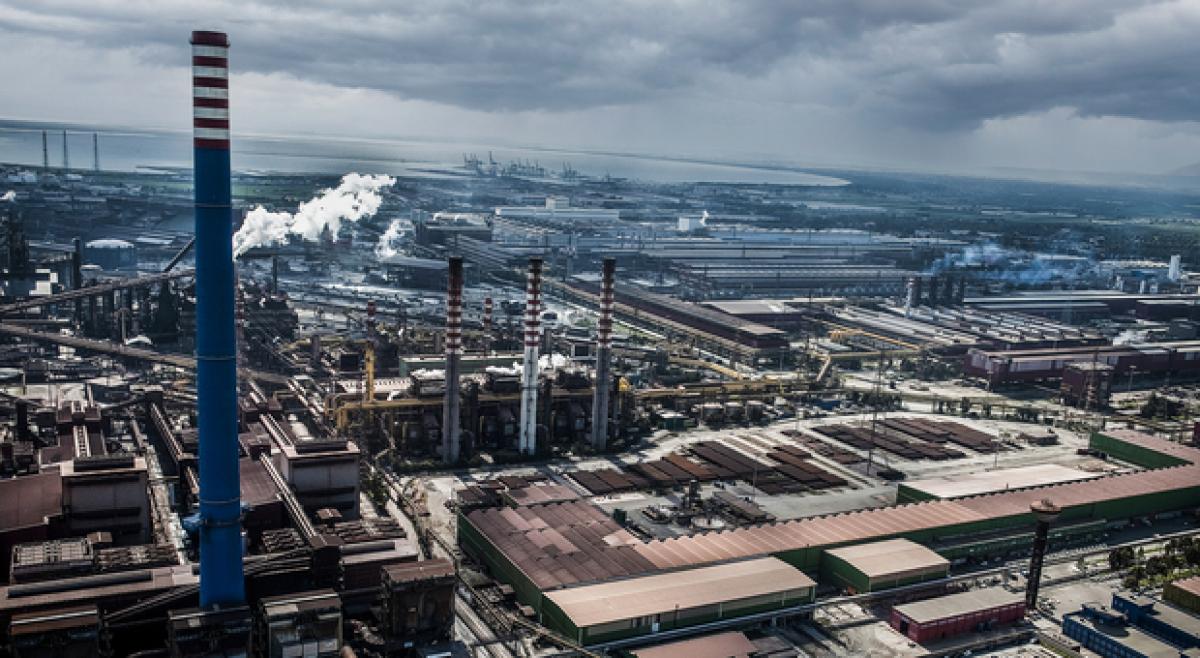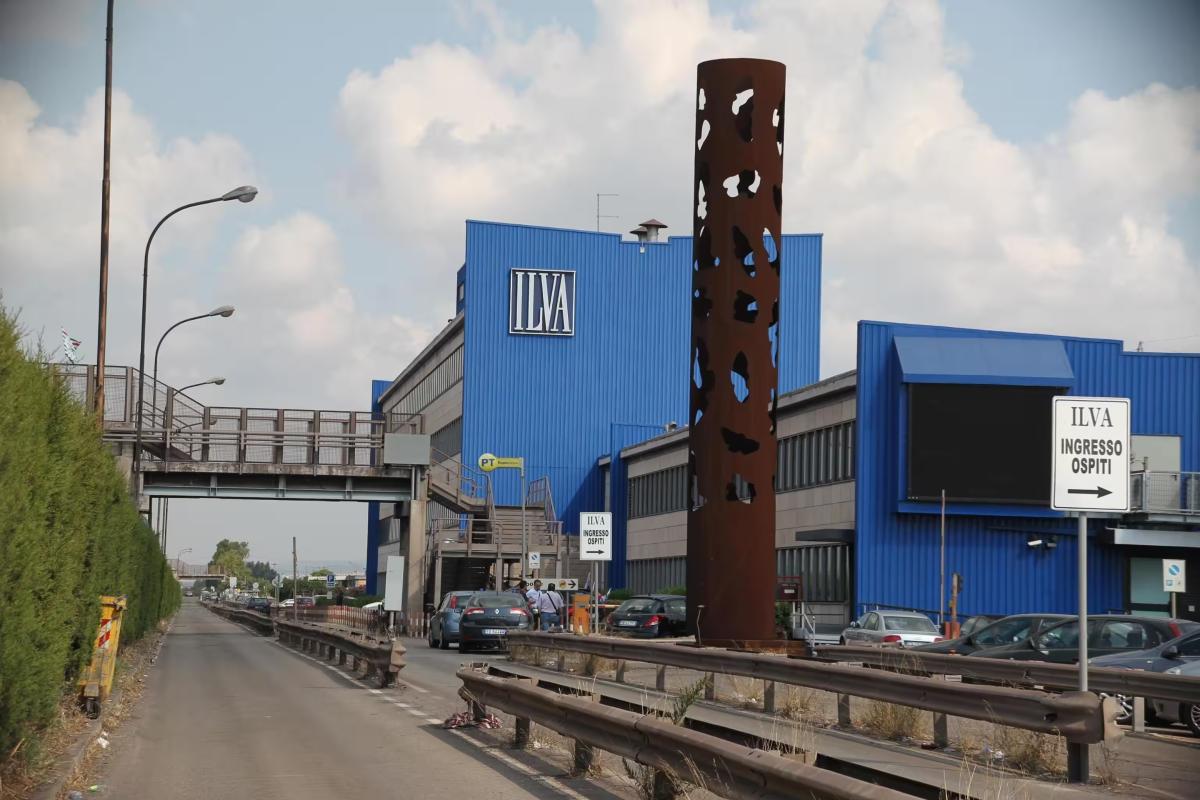
Acciaierie d’Italia S.p.A. in Taranto, historically known as ILVA, is one of the largest steel complexes
...Read moreAcciaierie d’Italia S.p.A. in Taranto, historically known as ILVA, is one of the largest steel complexes
in Europe. Located in the industrial area to the north of the city, it produces steel through an integrated process: starting from raw materials such as iron ore and coal, it reaches pig iron, slabs, coils, and laminates used in construction, automotive, shipbuilding, household appliances, and infrastructure. The site includes blast furnaces, coke ovens, steelmaking plants, rolling mills, mineral parks, and port facilities connected to the Ionian Sea. Established in the 1960s as Italsider, the steelworks was envisioned as an engine for the industrialization of Southern Italy and significantly transformed the economy and urban landscape of Taranto, attracting thousands of workers and families. Over the years, it became ILVA, then went through privatizations, industrial crises, extraordinary administrations, and new corporate structures. Its history is now tied to a complex national debate on labor, health, environment, and industrial conversion. From a cultural perspective, the former ILVA is an ambivalent symbol: it represents industrial growth, working-class identity, and technical skills, but also social conflicts and environmental scars that have marked the collective memory of Taranto. It is not an ordinary tourist destination that can be visited: access is regulated for security and production reasons. To understand its impact on the territory, visitors can observe the industrial area from the outside and complement the visit with the historical center of Taranto, the National Archaeological Museum MArTA, and the places that narrate the relationship between the city, the sea, industry, and the community.
Read less