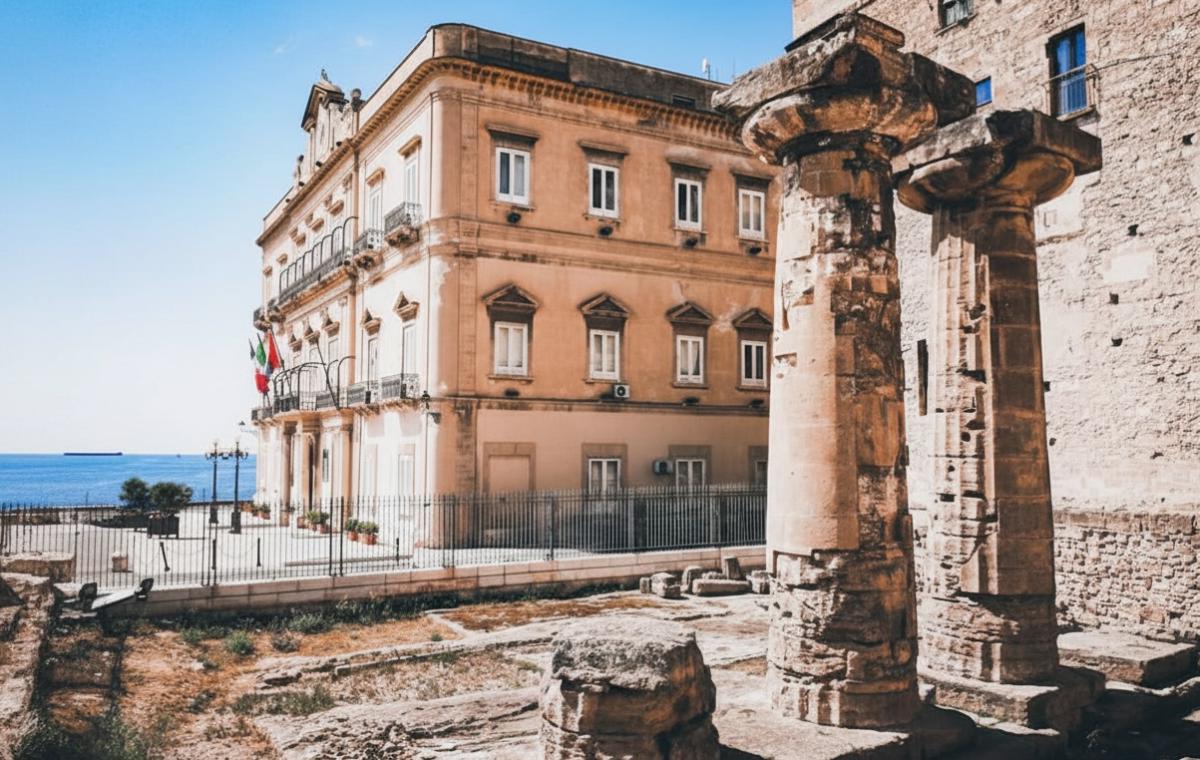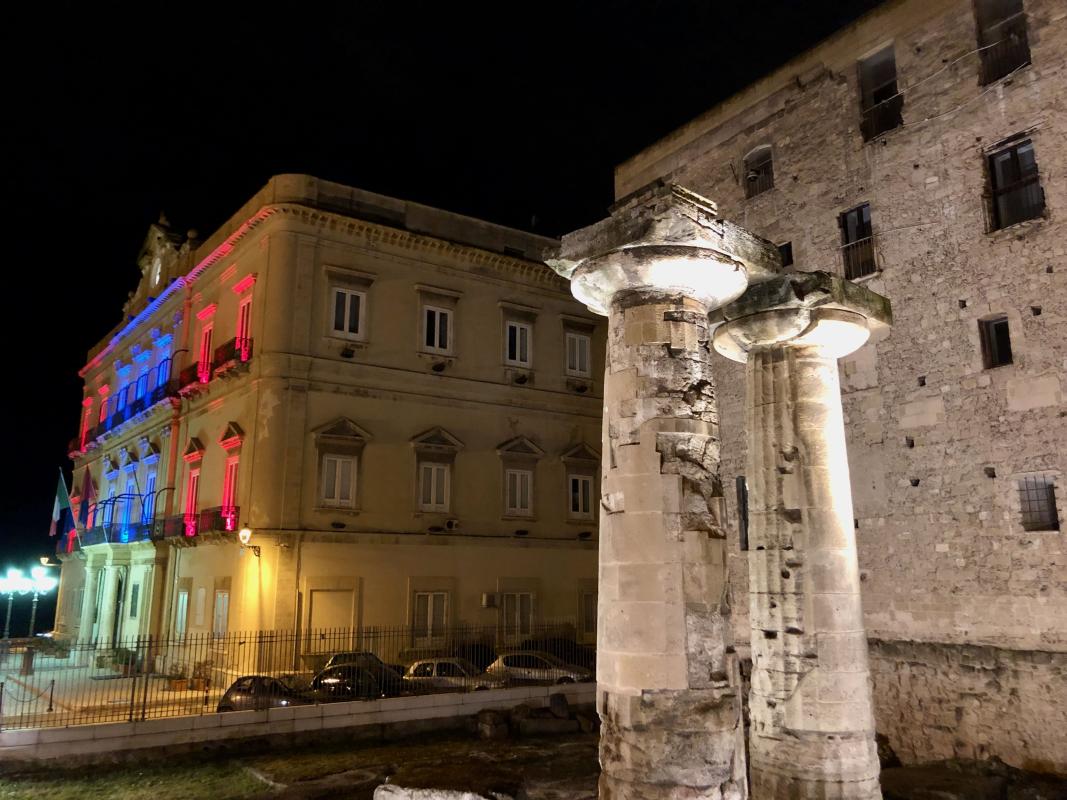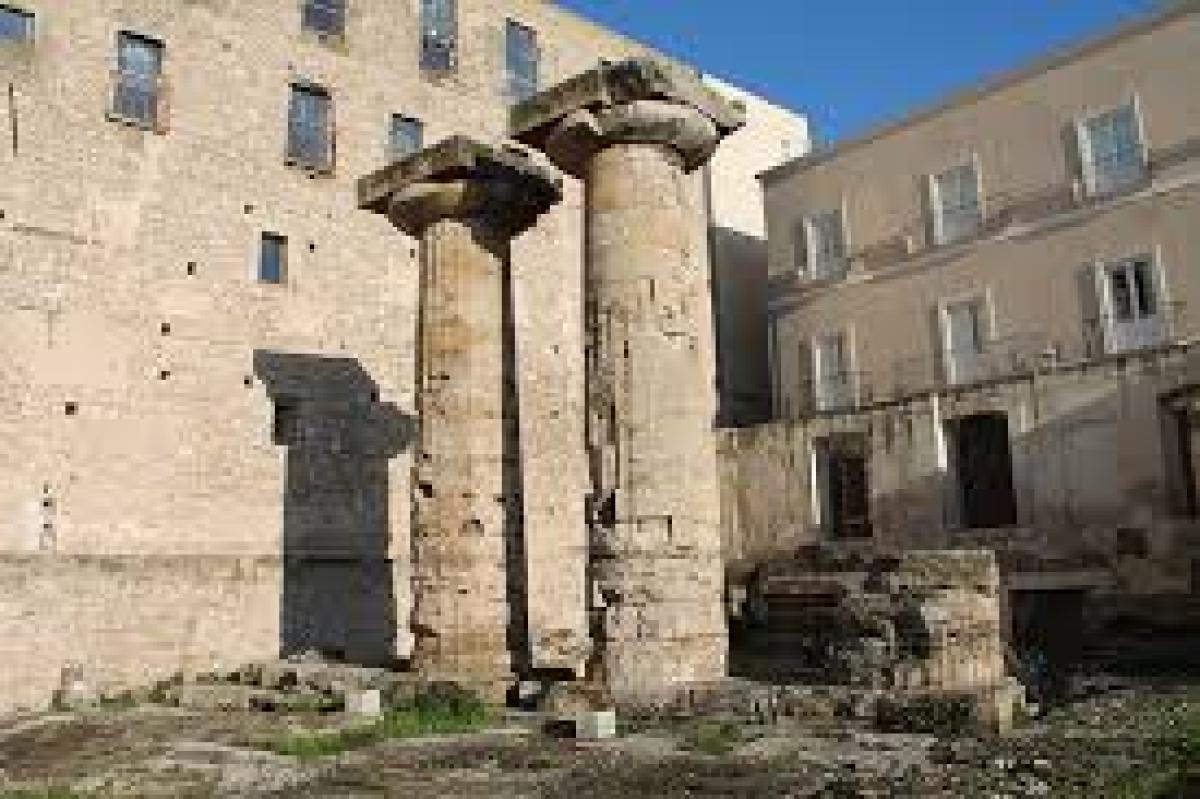
The Doric Columns of Taranto, in Piazza Castello, are one of the oldest symbols of the city and a rare testimony to the ancient Greek Taras, an important colony of Magna Graecia. They are the remains of a Doric temple dating back to the late 6th to early 5th century BC, traditionally associated with the worship of Poseidon, although the attribution is not certain....Read more
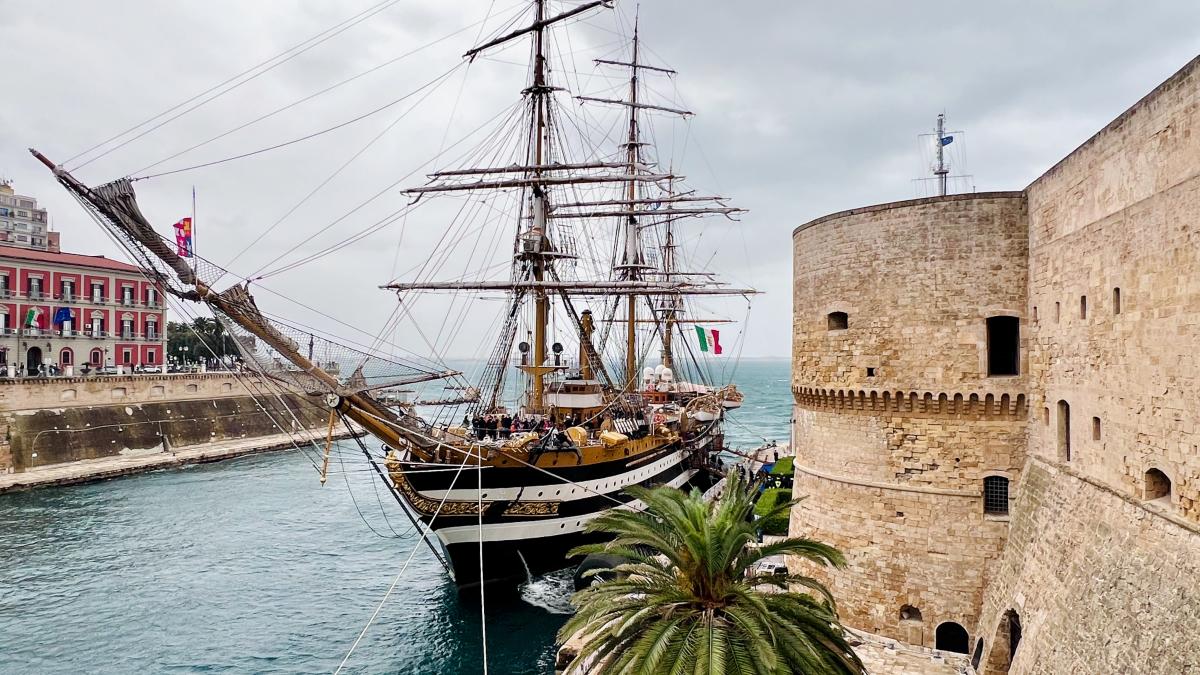
The Doric Columns of Taranto, in Piazza Castello, are one of the oldest symbols of the city and a rare testimony to the ancient Greek Taras, an important colony of Magna Graecia. They are the remains of a Doric temple dating back to the late 6th to early 5th century BC, traditionally associated with the worship of Poseidon, although the attribution is not certain. The columns, originally part of the supporting and monumental structure of the sacred building, had both an architectural and symbolic function: they supported the temple area and defined its ritual space, dedicated to the worship and religious life of the community. Culturally, they represent the continuity between modern Taranto and its Greek past, when the city was a wealthy and influential center in the Mediterranean. Today, the site holds archaeological and identity value, located in the heart of the old town, near the Aragonese Castle and the Swing Bridge. For visitors, the columns are visible outdoors and make for an ideal stop on an itinerary through the historic center, along with the National Archaeological Museum of Taranto (MArTA), the Cathedral of San Cataldo, and the waterfront promenade. The visit is short but evocative, particularly interesting for those who love archaeology, Greek history, and urban landscapes overlooking the Ionian Sea.
Read less